
Put an end to chronic back pain
Why Rehab When You Can Prehab?®
Find Long Term Relief From Constant, Even Chronic Back Pain
If you are dealing with constant, even chronic back pain and wondering where it is coming from, why it hurts so much, and why the pain won’t go away, then you are not alone in this.
Many of our patients who come to see us are suffering with back pain. They often say it just came on out of nowhere, they didn’t get hurt, they didn’t lift anything heavy, it just started to hurt from one day to the next.
Having to deal with constant back pain can not only interfere with your life, but also with your work, and your daily activities.
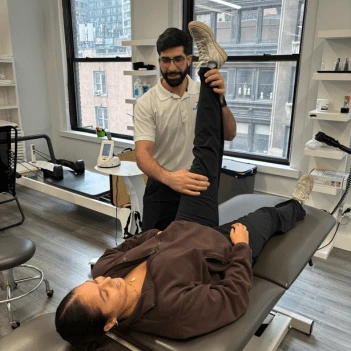
We help our patients who are dealing with back pain to find long term relief, so they can get back to enjoying life again without the constant pain and discomfort they are experiencing.
If you finally want to put an end to this awful back pain, click the button below to schedule an appointment to speak with one of our expert therapists.
How Can Choosing to Speak With A Specialist Physical Therapist Help You Get Rid of Your Constant, Even Chronic Back Pain?
There are 4 ways where speaking with a specials Physical Therapist WILL help you fix your problem:
First, you need to make a decision about getting proper help. Too many procrastinate in getting the RIGHT type of help to help with their pain and discomfort. They often think that their pain will just go away with time, but then 6 month down the line, they are still in pain, and nothing has gotten better, it may have even gotten worse.
Next, you must get to the bottom of the problem. By talking to one of our expert Physical Therapist, they can help you find out the root cause of your pain. If you don’t know where the pain is coming from, what causes they pain, you may end up doing exercises that only help for a short time, but the root cause of the problem is still there.
Once we have figured out the root cause of the problem, the next step is to do the RIGHT type of exercises. We will help you ease the pain by focusing on a series of exercises that are tailored specifically to your problem. These exercises are geared towards easing the pain, and allowing you to quickly move more freely again, getting back to doing the things you love. We also make sure that the problems don’t come back anytime soon, or even aggravate your pain even more.
You need to get some expert advise from a specialist Physical Therapist. Don’t let the required social distancing keep you from getting the help you need to stay healthy, active and mobile. If you are having pain that is affecting your job, your life, your ability to be active, and if it threatens your independence, or gets in the way of spending quality time with family and friends, then we can help you get back to living the life you want and deserve as quickly as possible.
This is how we can help you:
STEP 1: REQUEST YOUR FREE DISCOVERY SESSION
The first step in your recovery start with a complimentary discovery session with an expert physical therapies. During this initial session you not only get to meet your physical therapist, but you also get to ask any questions you have, and you will receive a recommendation about what your next, best step is to a speedy recovery.
STEP 2: GET AN INDIVIDUALIZED TREATMENT PLAN
Our physical therapist will design a individualized plan to help you solve the root cause of your pain and discomfort. This individualized plan is they key to your recovery, because it takes in consideration any other challenges, or health problems you might have.
STEP 3: RETURN TO A ACTIVE & PAIN-FREE LIFE
Our patients tend to see results rather quickly so they can get back to their life, where they are no longer limited due to their pain and discomfort. They are able to return to all the activities they couldn’t do before.
Would you like to be sure that we are a good fit first? Do you want to be 100% sure that we CAN help you get better before any commitments are made? Then then request an appointment to come in and speak with one of our Therapists. Click the button below and request an appointment and we will be in touch very soon to help you get scheduled.