
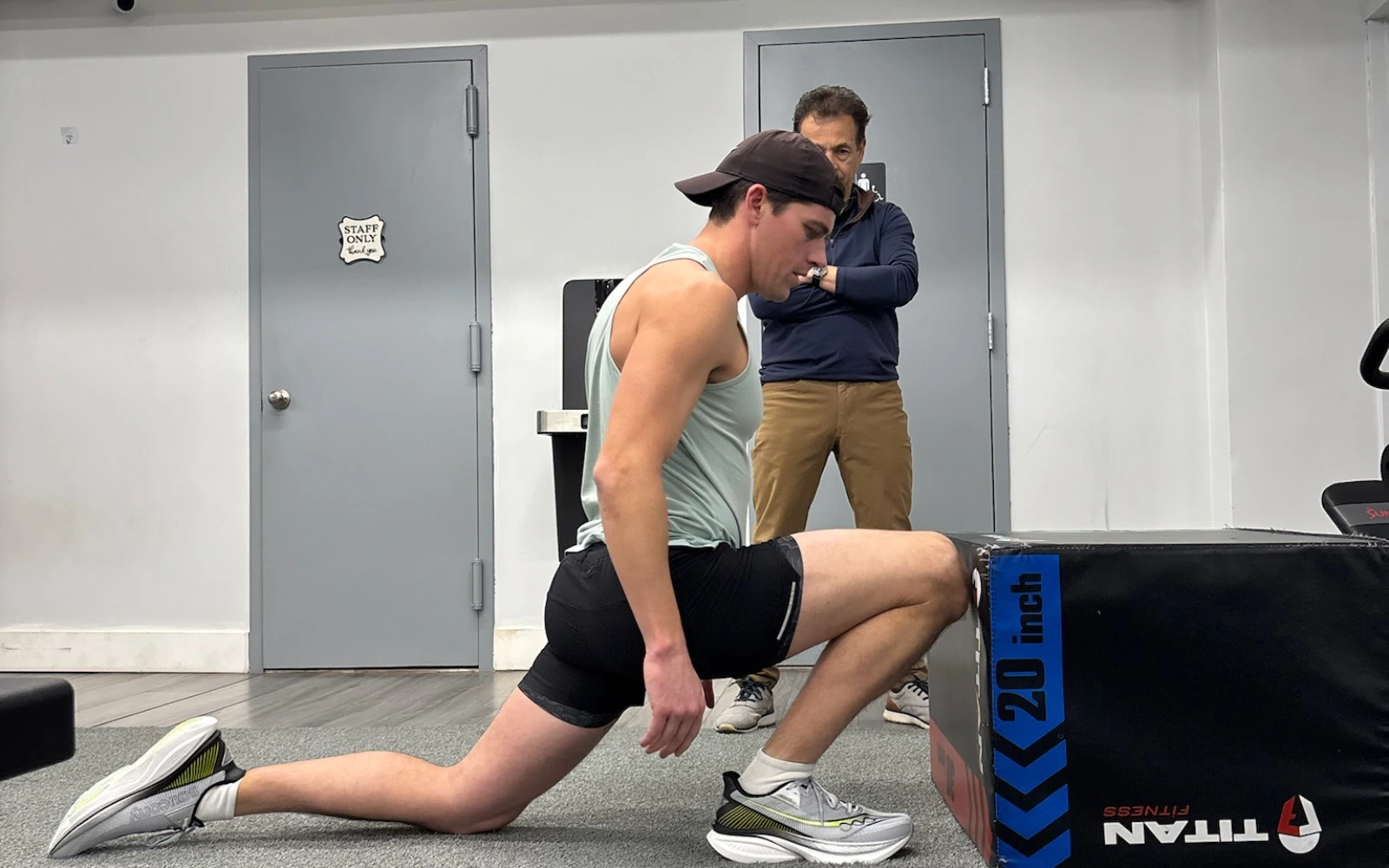
If you’ve ever dealt with a running injury, you know how frustrating it is to lose momentum. A lot of runners end up holding back in training because they’re worried the same pain will come back.
The good news is that most running injuries are not just about training volume. In many cases, they come down to running mechanics and movement patterns.
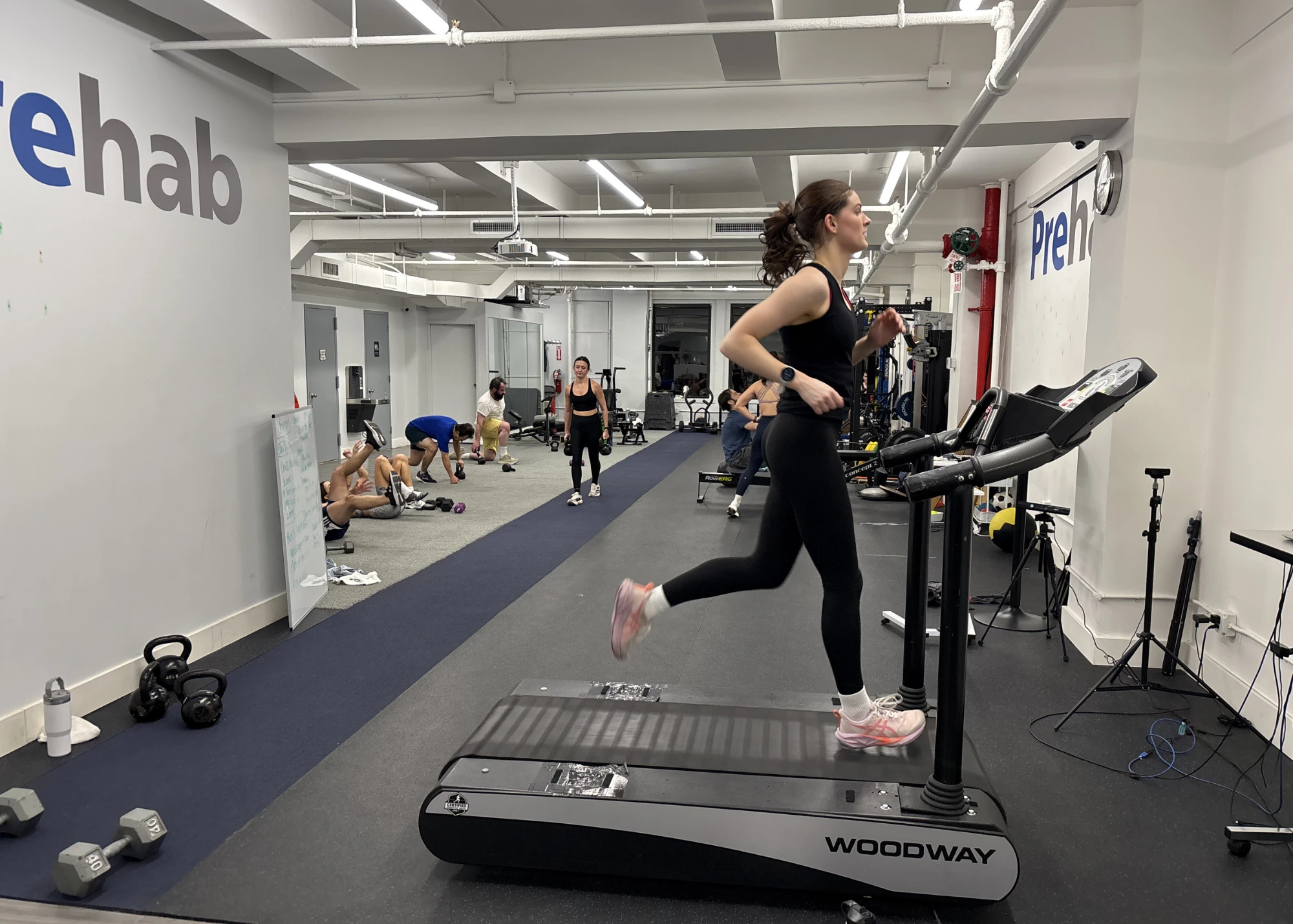
Why Runners Get Injured (Even With Smart Training)
You follow a solid plan, increase mileage gradually, and still end up dealing with knee pain, shin splints, or tight hip?
That usually points to inefficient running mechanics.
That is why looking at “form” falls short. You need to find the source and that needs measurements specific to you.
Common running issues like, poor hip stability, poor landing mechanics and lack of control through your stride can place extra stress on your joints and muscles and you need to find them. Over time, that stress adds up and leads to injury.
This is the difference why some runners stay healthy at higher mileage, while others break down even when they are doing everything “right.”
The Missing Piece: Prehab Running Gait Analysis
Most runners focus on pace, distance, and heart rate. Those metrics are useful, but they don’t show how your body is actually moving.
A running gait analysis measures your stride in detail. It helps identify movement patterns that may be slowing you down with poor running economy and increasing your risk of injury.At Prehab NYC, this is exactly what the Running Performance Assessment is built for.
How Gait Analysis at Prehab NYC Helps
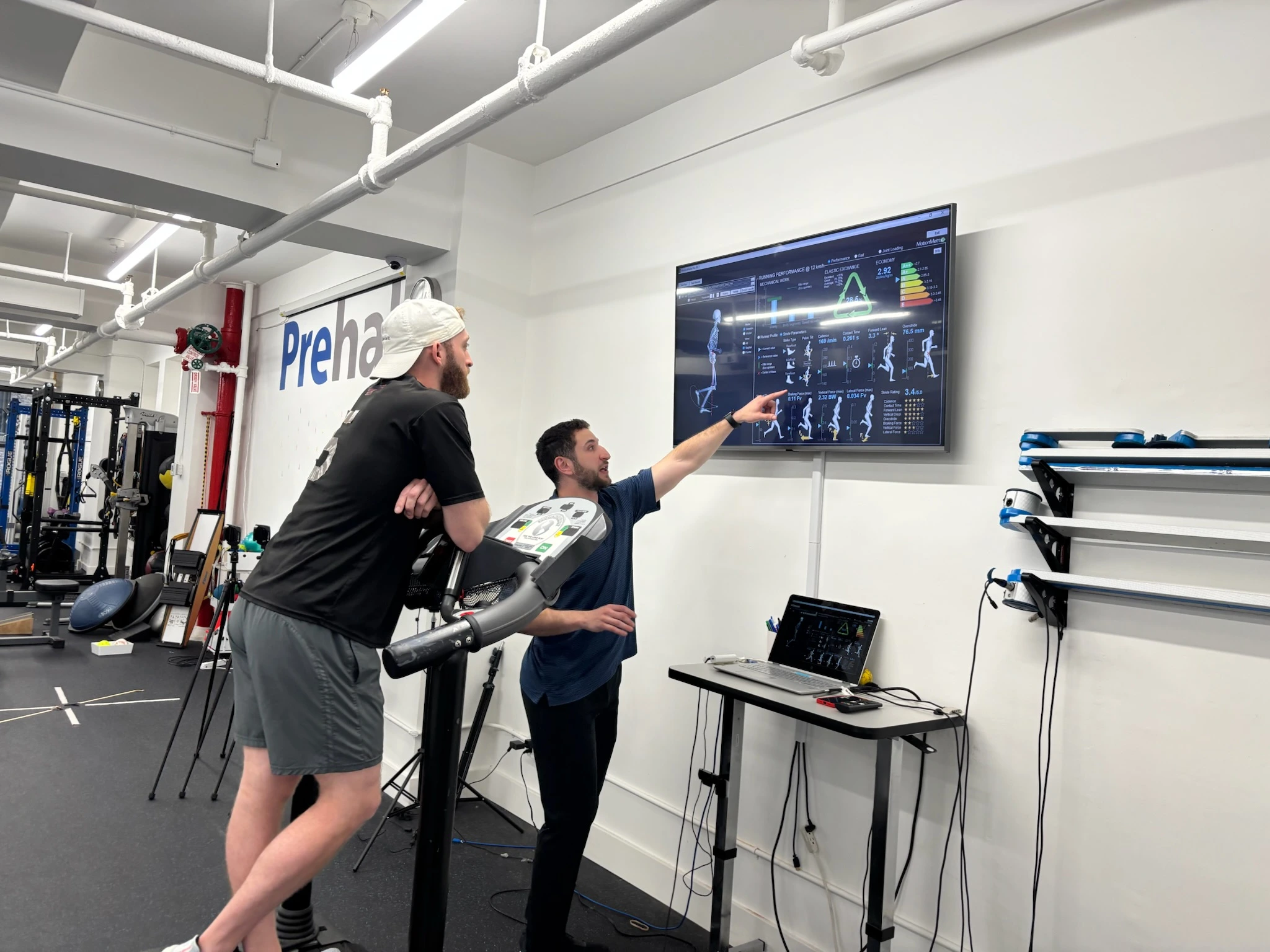
During a gait analysis at Prehab NYC, your running form is broken down into measured mechanics step by step. This includes how your foot strikes the ground and moves into propulsion, how your hips and knees move, and how efficiently your body carries you forward.
Instead of guessing what might be wrong, you get clear answers. The origin of current injuries and the injuries you have propensity for you can work on and prevent.
From there, you receive a personalized report with all identified areas that need addressing and a plan that includes prescribed activities you can immediately execute.
These changes are practical and built to fit into your current training, so you can keep running while improving how you move.
Who Should Consider a Prehab Running Assessment
A running gait analysis can help if you:
- Want to improve running efficiency
- Have recurring injuries like runner’s knee, Achilles pain or shin splints
- Feel stuck at the same pace or performance level
- Want to safely increase mileage or intensity
Train Hard Without Breaking Down
Running more does not have to mean getting hurt.
When your mechanics are working for you instead of against you, your body can handle higher training loads, recover better, and stay consistent.
If you want to run faster, longer, and with fewer setbacks, it starts with how you move and a clear path. That is the Prehab difference. All science.
Why rehab when you can Prehab?
Up Your Game With A Prehab Free Discovery Visit